

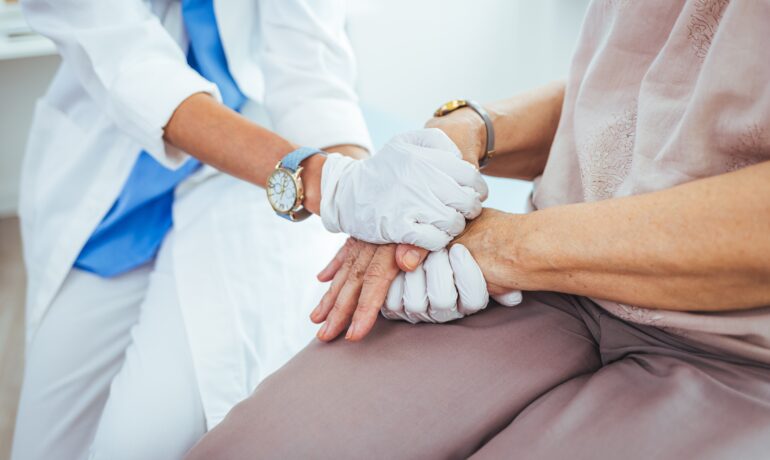

Difficulty straightening your fingers can make even simple tasks feel challenging. Stiffness that lingers in the morning, discomfort while gripping objects, or joints that do not fully extend often point toward underlying inflammation or wear within the hand. When these symptoms begin to interrupt daily routines, many people wonder what is causing the problem and how to address it. Learning what contributes to reduced finger mobility is a key step in understanding your hand health and seeking the right care.
What Causes Fingers to Become Difficult to Straighten?
When fingers no longer move smoothly, inflammation and structural changes inside the joints are often responsible. Over time, the cartilage that cushions the small finger joints can thin or become damaged. As this protective surface wears down, movement becomes more difficult and painful. Some people experience a gradual decline in flexibility, while others notice sudden stiffness after increased hand activity.
The joints in the hand are especially vulnerable because they are used constantly throughout the day. Without proper support, the ligaments and surrounding soft tissues may become irritated. Swelling can develop inside the joint space and limit extension. In some cases, the joint may lock temporarily before loosening again. These issues are closely linked to conditions that affect joint structure and function.
Osteoarthritis and the Hands
Osteoarthritis is one of the most common causes of finger stiffness. When this condition affects the small joints of the hand, symptoms often include difficulty straightening the fingers, reduced grip strength, and pain that worsens with activity. Many patients also experience visible changes around the affected joints as the disease progresses.¹
Osteoarthritis develops when cartilage breaks down over time. Without a smooth surface to support movement, bones can rub against each other and trigger inflammation. This process leads to swelling, warmth, and discomfort. Many individuals describe episodes of hot and swollen joints when their symptoms intensify. These episodes may reflect the body’s response to stress or increased inflammation inside the joint.
Early Warning Signs You Should Not Ignore
Although osteoarthritis is progressive, early symptoms often appear long before major changes in mobility. Paying attention to these early signs can help you seek treatment sooner and reduce long-term damage.
Swelling Around the Finger Joints
Swelling may make rings feel tighter or cause joints to appear enlarged. This swelling is often related to inflammation and increased fluid in the joint spaces.
Difficulty Fully Extending Fingers
Some patients describe a sensation of the fingers catching or resisting movement. Others feel like the joint simply cannot straighten, no matter how hard they try.
Small Nodules or Bumps
Bony growths near the knuckles are common in hand osteoarthritis. These nodules form as the joint attempts to stabilize itself.
Recognizing the top symptoms of osteoarthritis flare-ups can help you identify patterns and understand when inflammation is rising.
Other Conditions That May Affect Finger Movement
While osteoarthritis is a frequent cause, other conditions can lead to similar symptoms. A comprehensive evaluation helps distinguish among these possibilities.
Tendon Inflammation
Tendon irritation in the wrist or hand can limit finger movement. Overuse or repetitive tasks often contribute to this problem.
Autoimmune Disease
Inflammatory autoimmune conditions can affect the small joints of the hands. These diseases may cause stiffness, swelling, and difficulty extending the fingers.³
Injury or Overuse
Falls, sprains, or overworked joints may lead to swelling and reduced range of motion. Even small injuries can cause significant stiffness if left untreated.
How Long Does Finger Stiffness Last?
Symptoms vary widely from person to person. Some individuals notice brief periods of stiffness after high activity. Others experience ongoing difficulty extending their fingers for weeks or months. Persistent symptoms often require medical evaluation to rule out underlying joint damage.
Early diagnosis and treatment can reduce the duration and intensity of flare-ups. Regular follow-ups help adjust treatment plans as symptoms evolve.
How ARBDA Diagnoses the Cause of Finger Stiffness
Because multiple conditions can contribute to reduced finger mobility, a precise diagnosis is essential. Rheumatologists use clinical exams, laboratory tests, and imaging studies to evaluate joint health. Diagnostic imaging may also include tools that allow real-time assessment of swelling, cartilage quality, fluid buildup, and tendon involvement.
When needed, physicians may recommend options such as therapeutic injections to reduce inflammation and support joint mobility. These treatments are targeted to the specific joints involved and often help reduce discomfort during daily activities.
Self-Care Strategies to Support Joint Health
Although medical treatment is important, many patients find relief from daily habits that protect joint function and reduce inflammation.
Gentle Movement
Light stretching and hand exercises support flexibility. Small, frequent movements can prevent stiffness from settling in.
Warm Water Therapy
Warmth can relax tight tissues and improve joint comfort. Many people find relief by soaking their hands in warm water before activity.
Protected Movement
Using supportive braces or ergonomic tools can reduce strain on the hands and limit aggravation of painful joints.
Balanced Nutrition
Fruits, vegetables, whole grains, and omega 3 fatty acids may help reduce inflammation and support overall joint health.⁵
Stress Management
Stress can worsen the perception of pain. Relaxation techniques and mindfulness practices may help patients feel more in control.
These strategies complement medical treatment and help many people maintain better hand mobility.
When to See a Rheumatologist
If you are struggling to straighten your fingers or notice swelling, stiffness, or pain that does not improve, a rheumatology consultation can provide important answers. A specialist can determine whether osteoarthritis, autoimmune disease, tendon irritation, or another condition is contributing to your symptoms. Early evaluation helps protect long-term hand health and prevent complications.
Some patients may benefit from medications, joint protection strategies or physical therapy. A personalized care plan provides a clearer path toward comfort and stability.
Schedule an Appointment With ARBDA Today
Hand stiffness can interfere with work, hobbies, and daily routines, but you do not have to manage these symptoms alone. At Arthritis, Rheumatic & Bone Disease Associates (ARBDA), our team of expert rheumatologists in New Jersey provides dedicated evaluation and treatment for individuals experiencing finger stiffness and joint discomfort. We take the time to understand your symptoms and build a treatment plan tailored to your needs.
If you are concerned about changes in finger mobility, speak with your primary care physician about a referral to our specialists. Once approved, our team will guide you through the next steps and help you regain confidence in your hand function. Submit your new patient contact form today and begin your path toward relief.
